The Harrison Penthouse

The Harrison Penthouse

NEW YORK

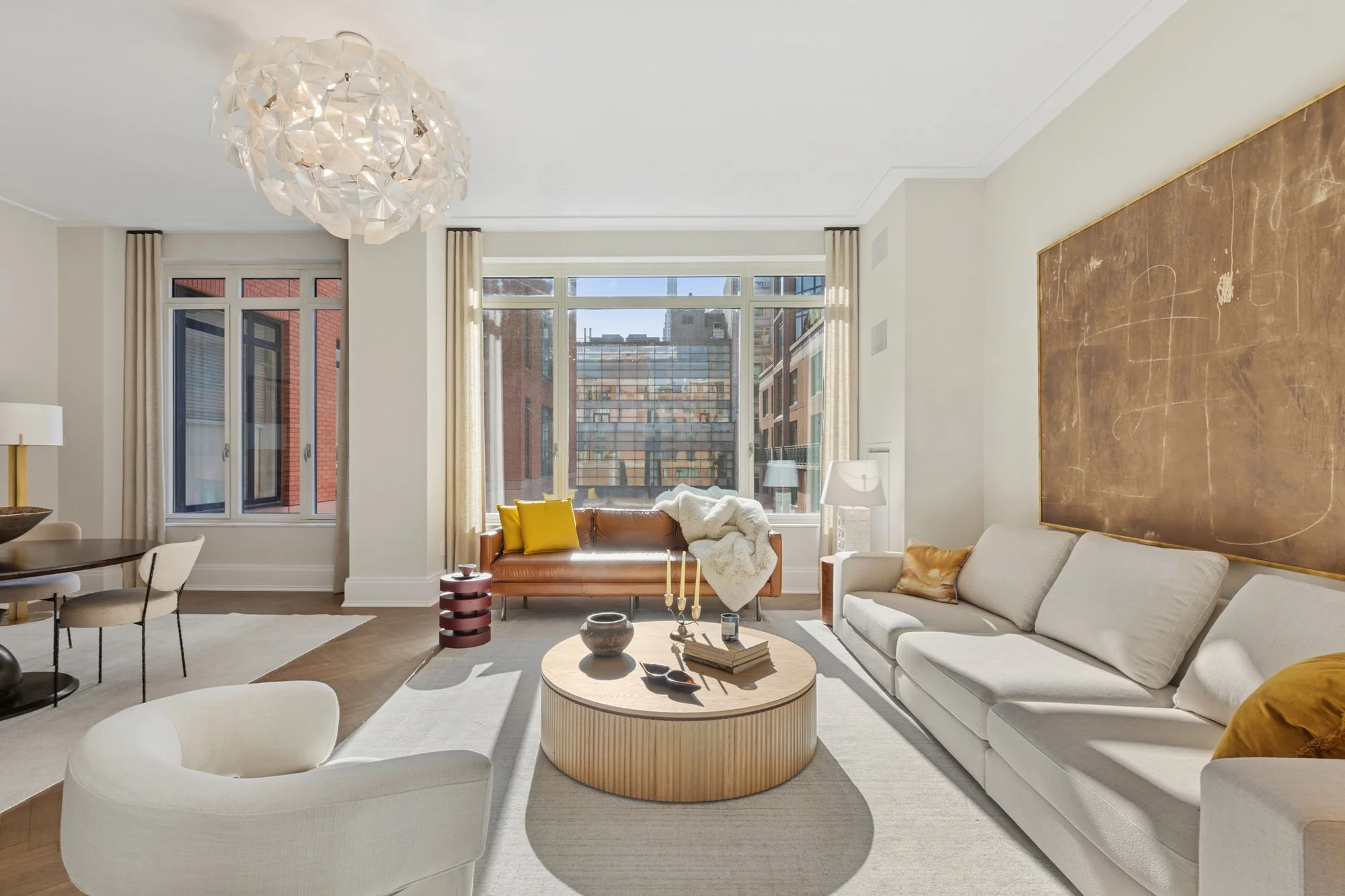
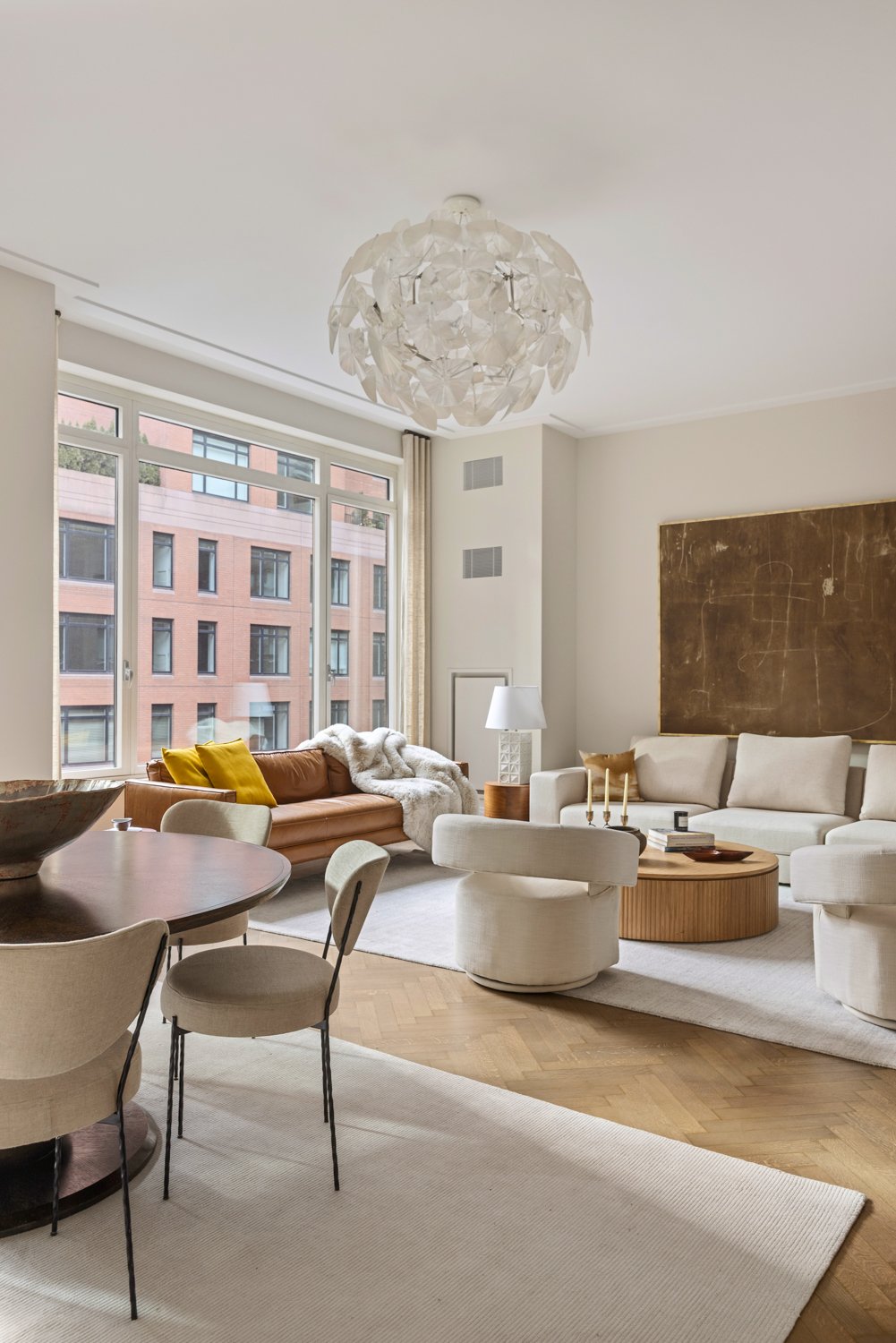
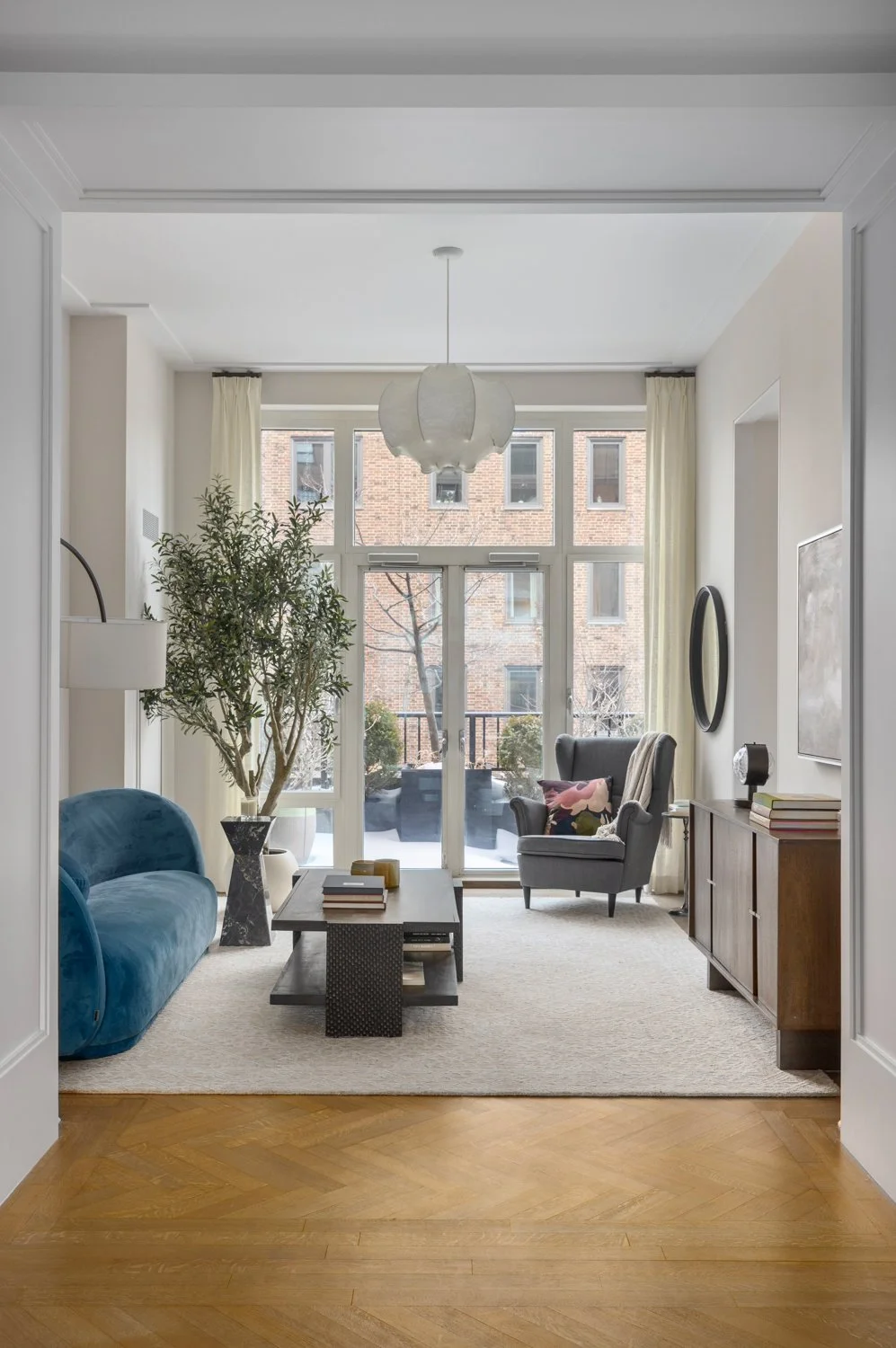
Set within The Harrison – a Robert A.M. Stern–designed condominium on the Upper West Side – the residence presented strong architectural fundamentals: generous proportions, dual exposures, and a classical envelope defined by herringbone floors and high ceilings.

Yet, despite these inherent qualities, the interior lacked cohesion. Materials felt disjointed, spatial hierarchy was unclear, and the overall atmosphere did not fully reflect the caliber of the building or the expectations of its buyer profile.

The opportunity was not to redesign the architecture, but to reveal and refine it.


A STRATEGIC INTERIOR TRANSFORMATION

Our intervention focused on alignment rather than addition. Rather than introducing overt gestures, we worked to recalibrate the interior through a series of precise, layered decisions: Clarifying material relationships; simplifying visual noise; reinforcing continuity across rooms; and introducing a more resolved architectural language.

The goal was to create a space that felt inevitable – as though it had always been intended this way.


What We Did

Interior Design 
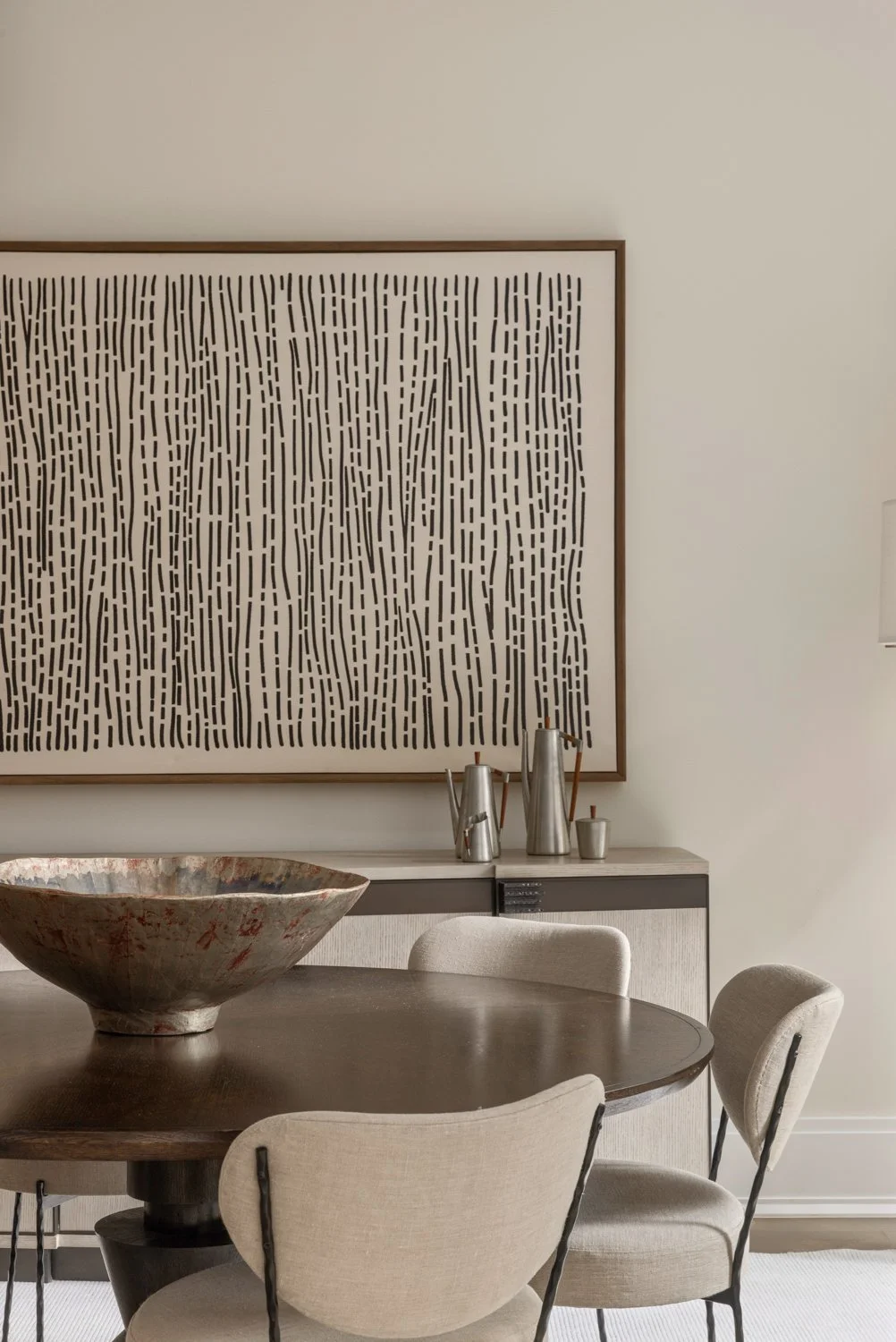
Art Selection 
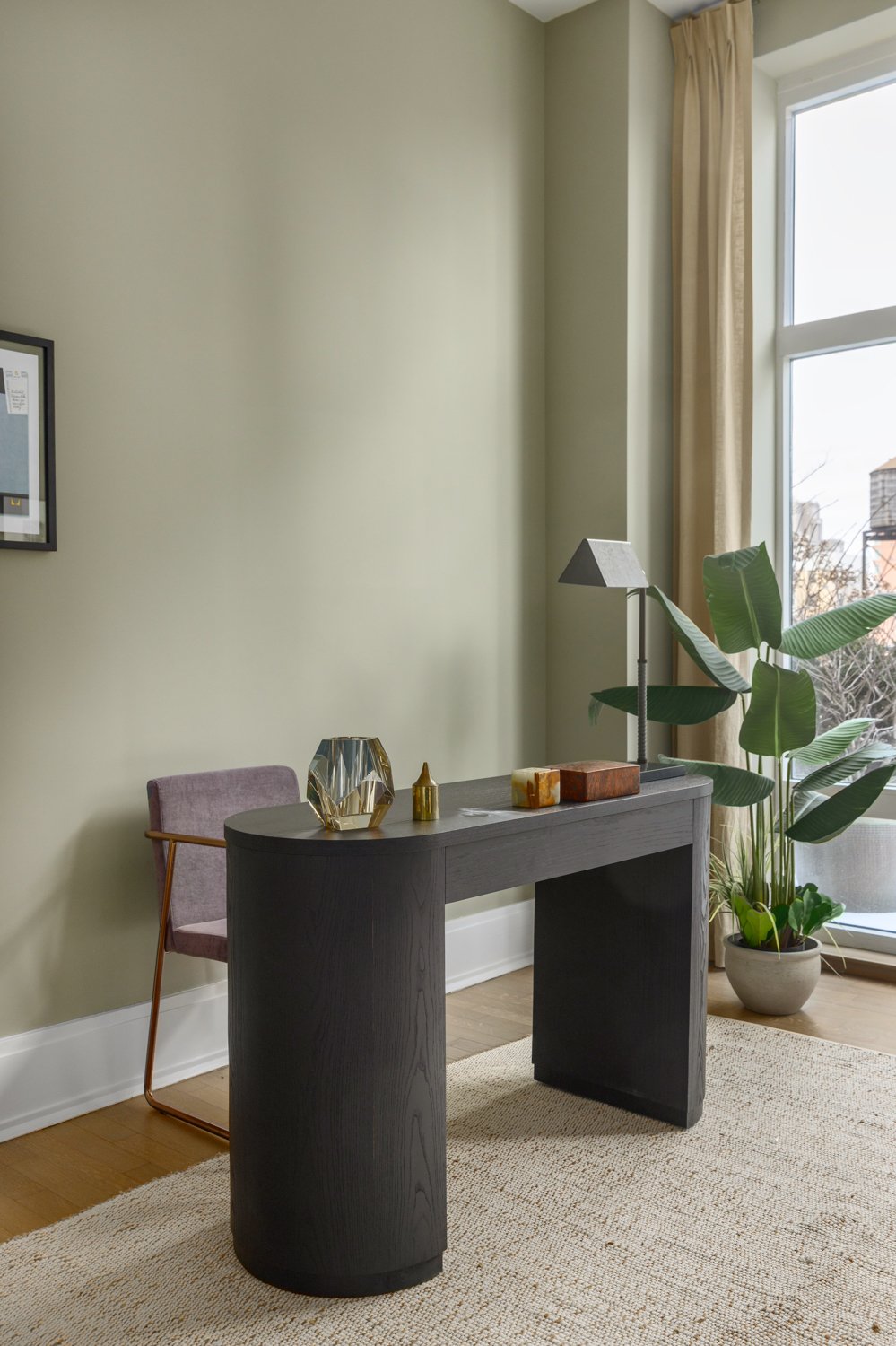
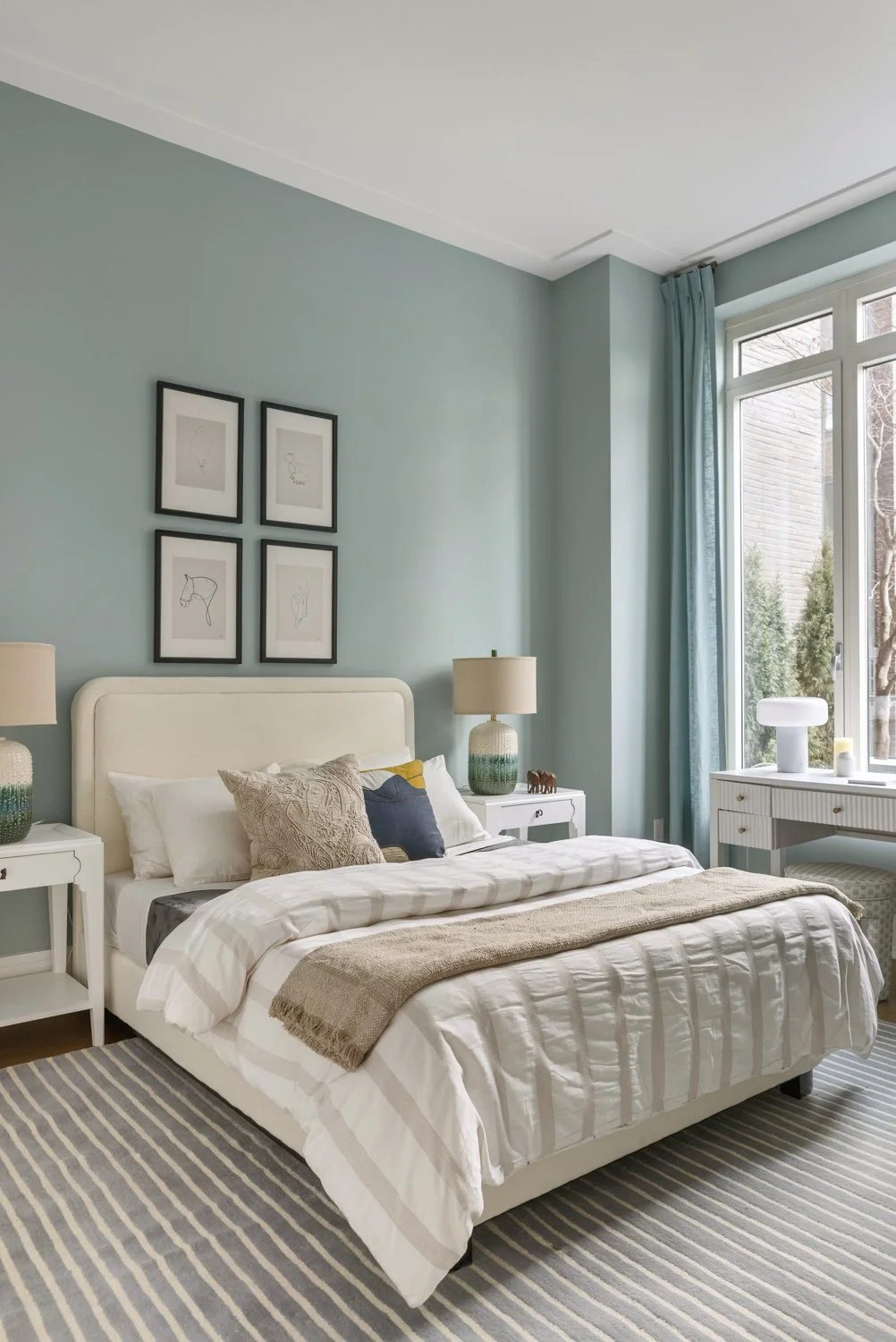
Custom Paint
Custom Window Treatments


SPATIAL REBALANCING

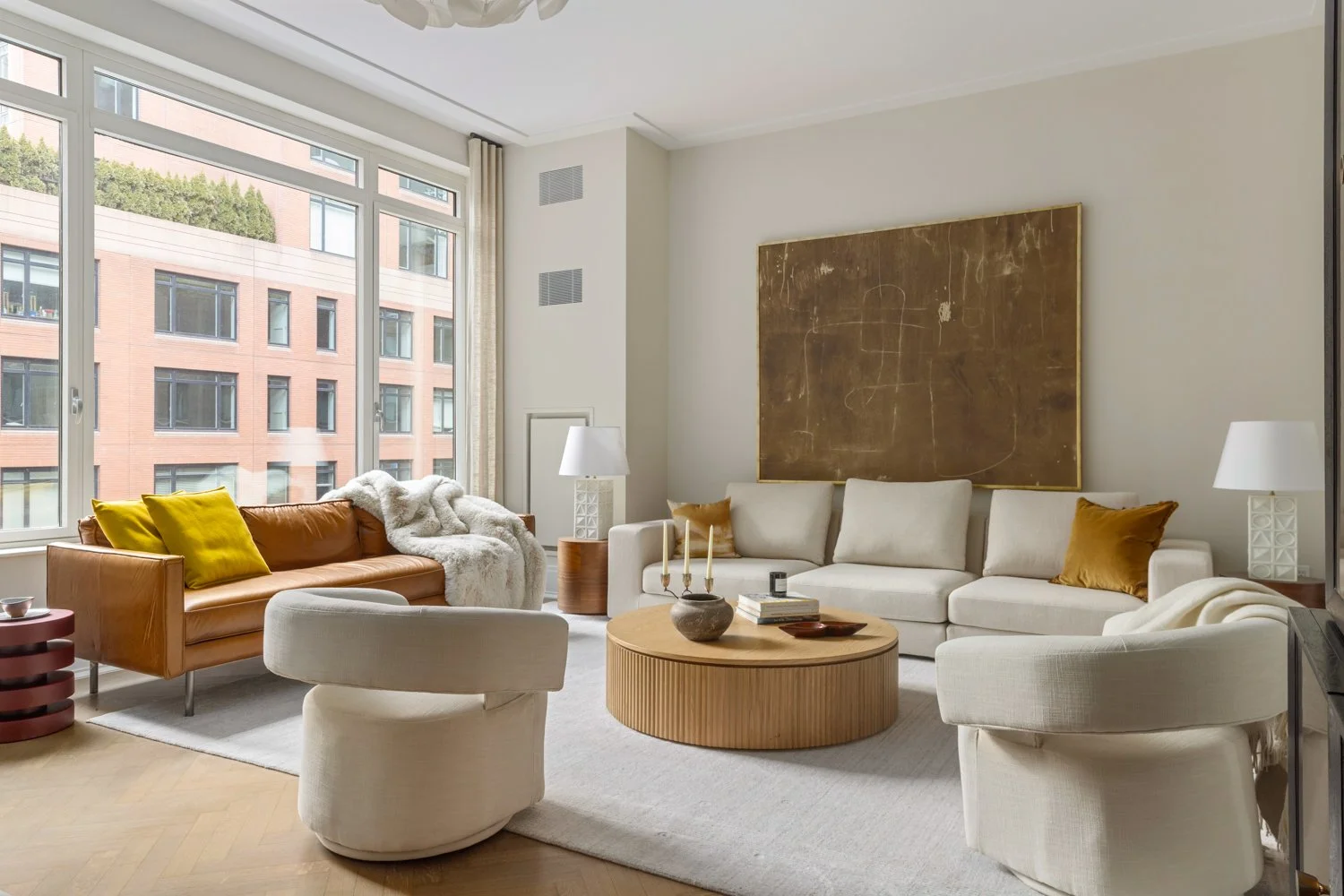
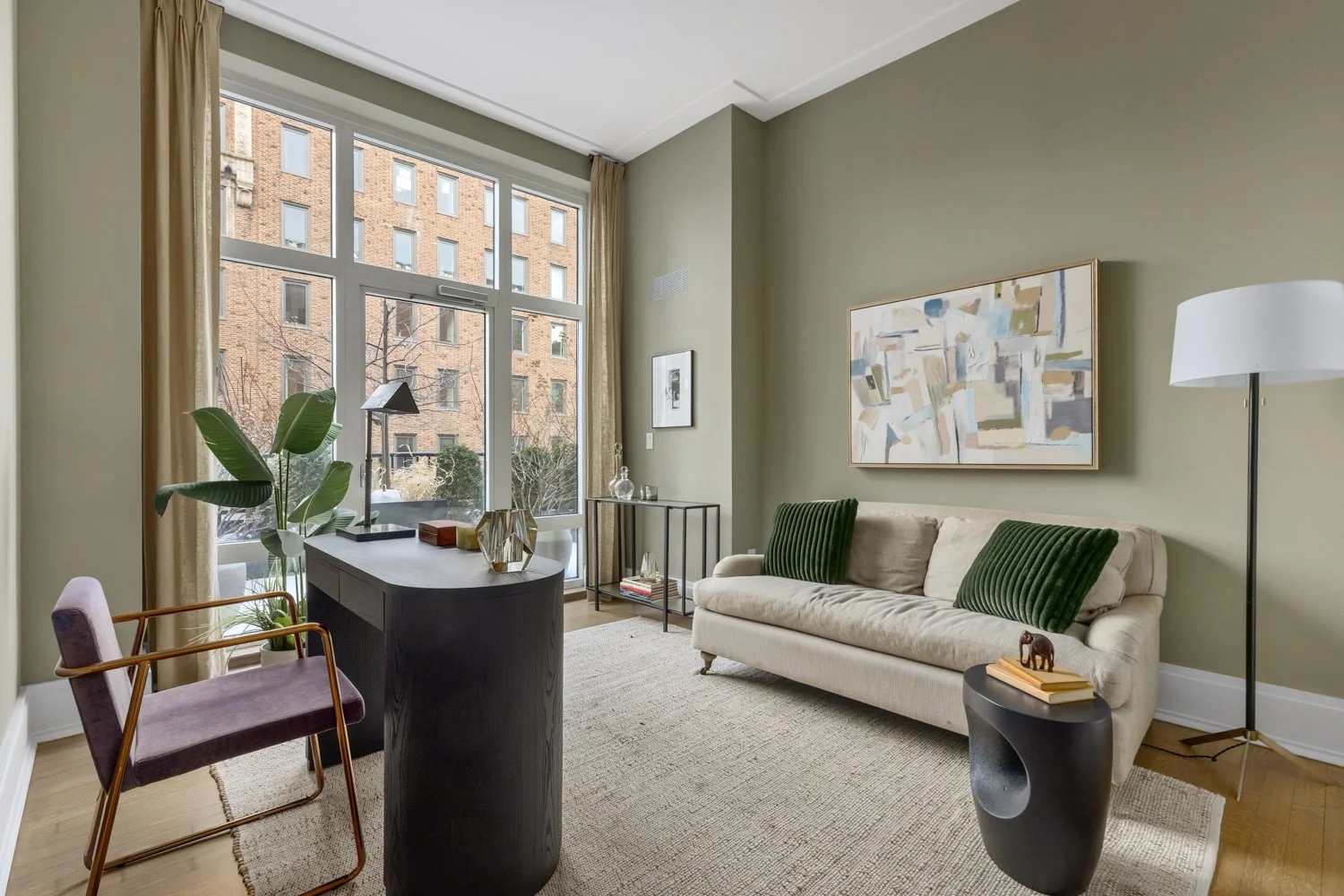
The apartment’s strength – its scale – required careful control. Living areas were restructured through proportion and placement rather than construction. Furniture was used not as decoration, but as a tool to: define zones without fragmentation; reinforce circulation; and balance openness with intimacy.

A quieter composition allowed natural light and volume to become the primary experience of the space.


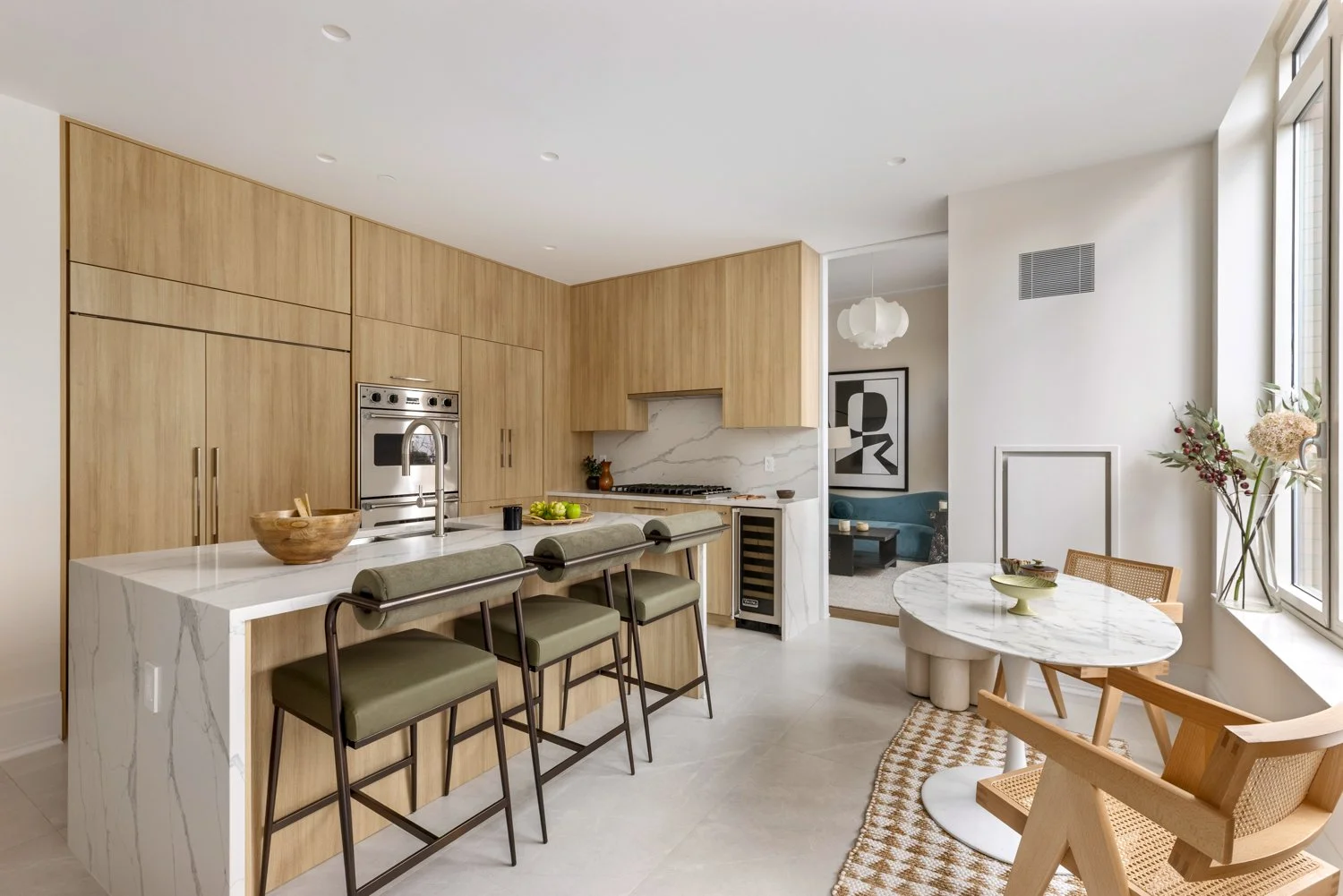
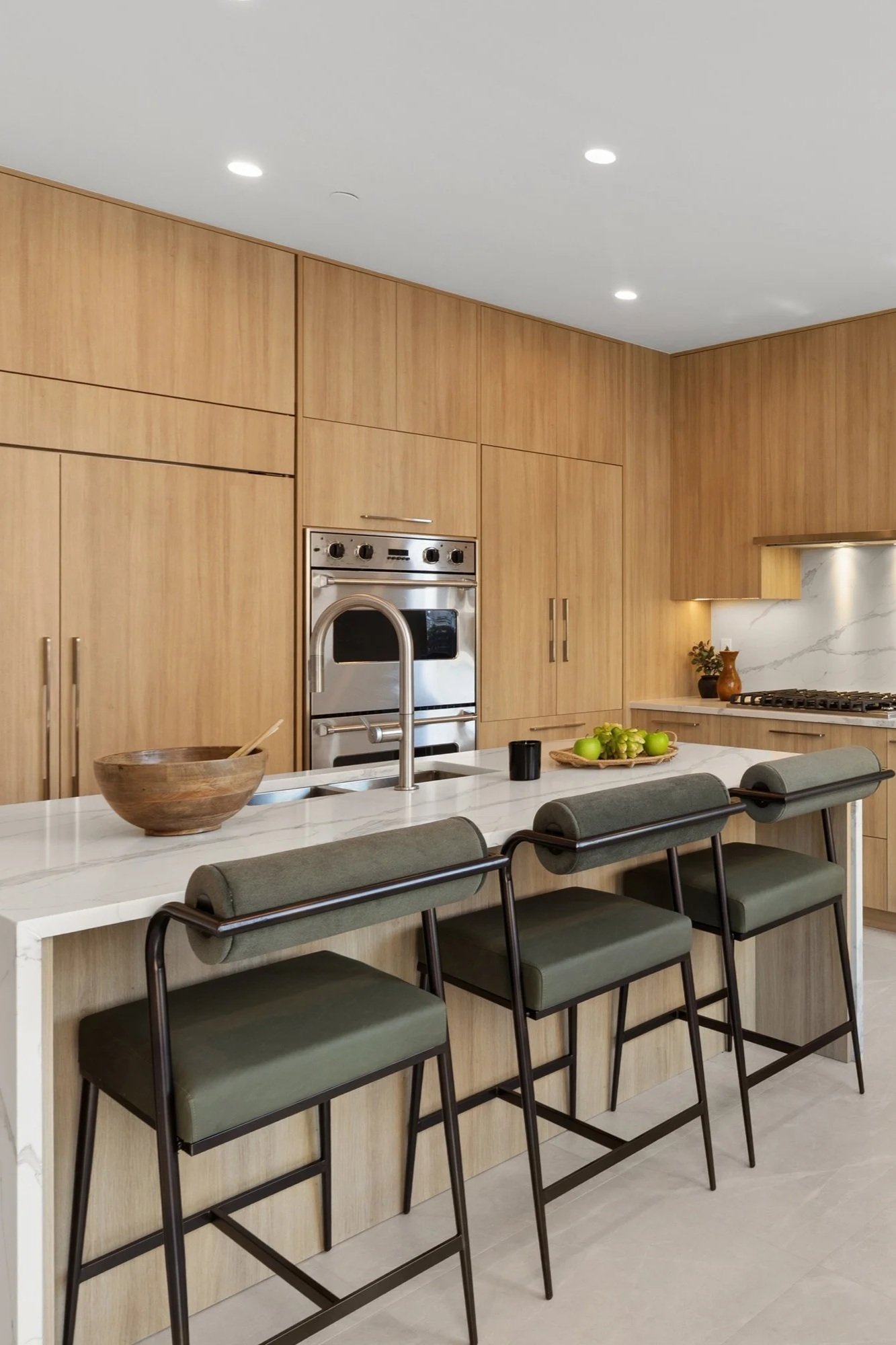
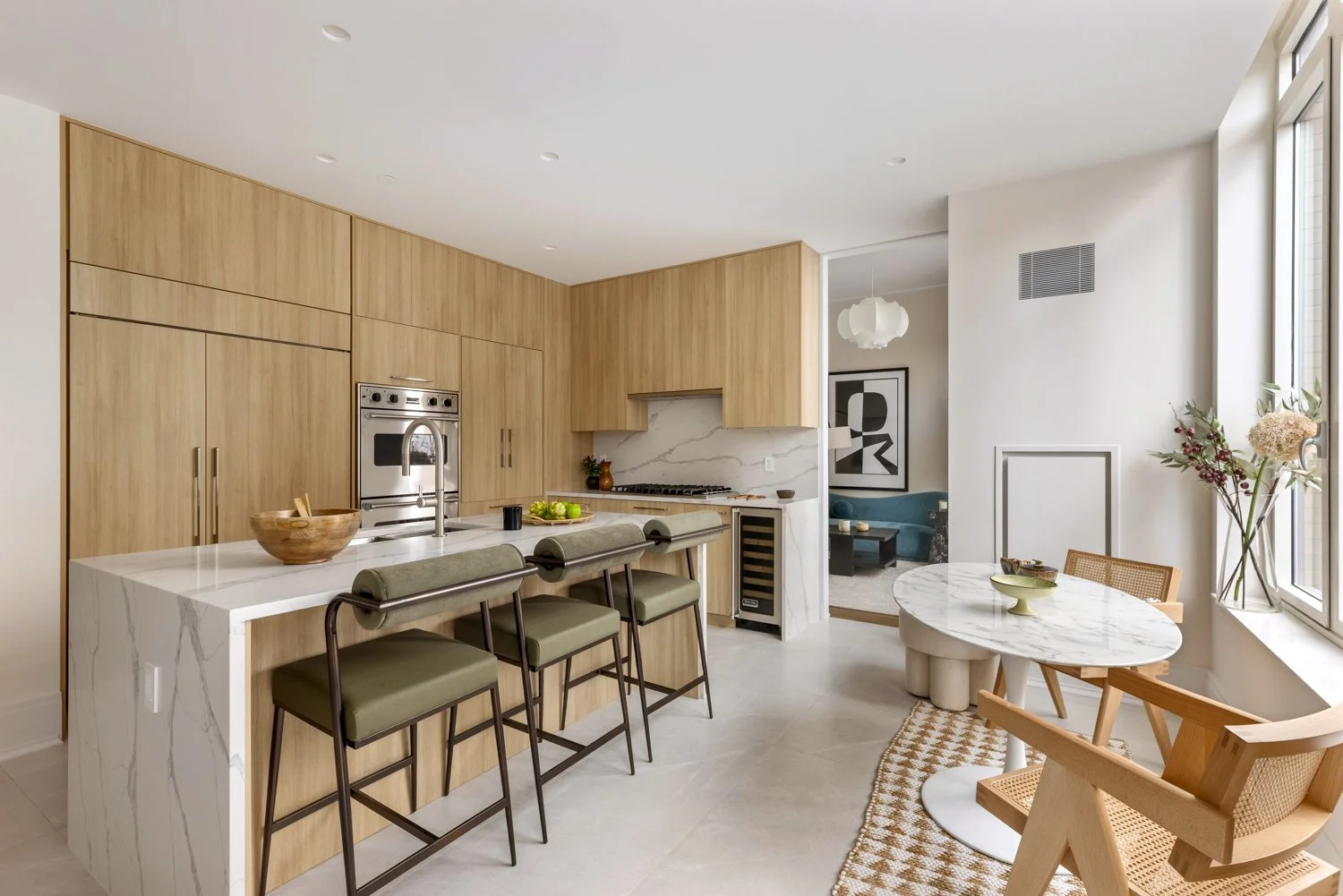
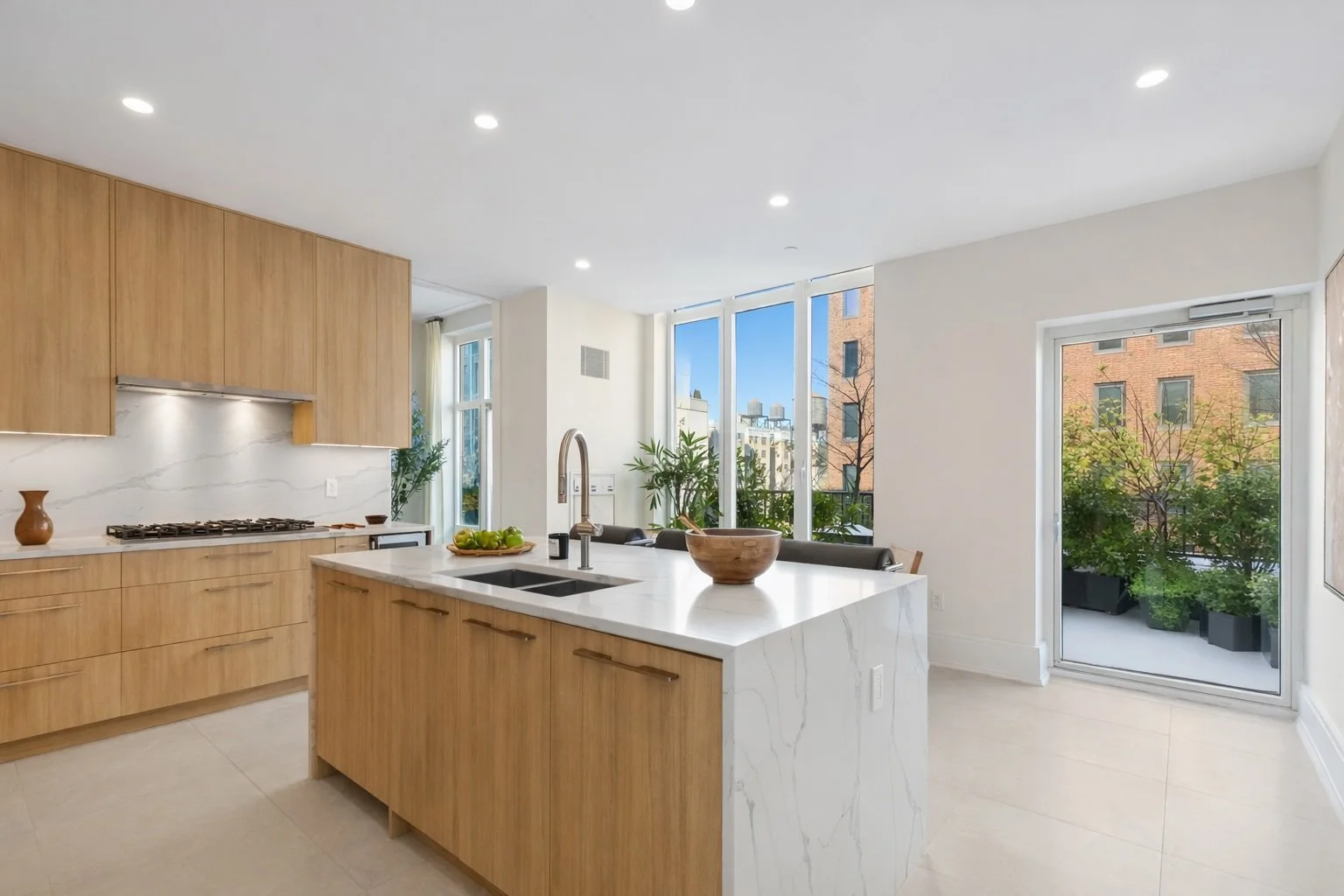
A key shift was the move toward a more restrained and coherent palette. In the kitchen, we softened contrasts and simplified the composition, allowing wood tones and stone surfaces to read as a continuous system rather than isolated elements.


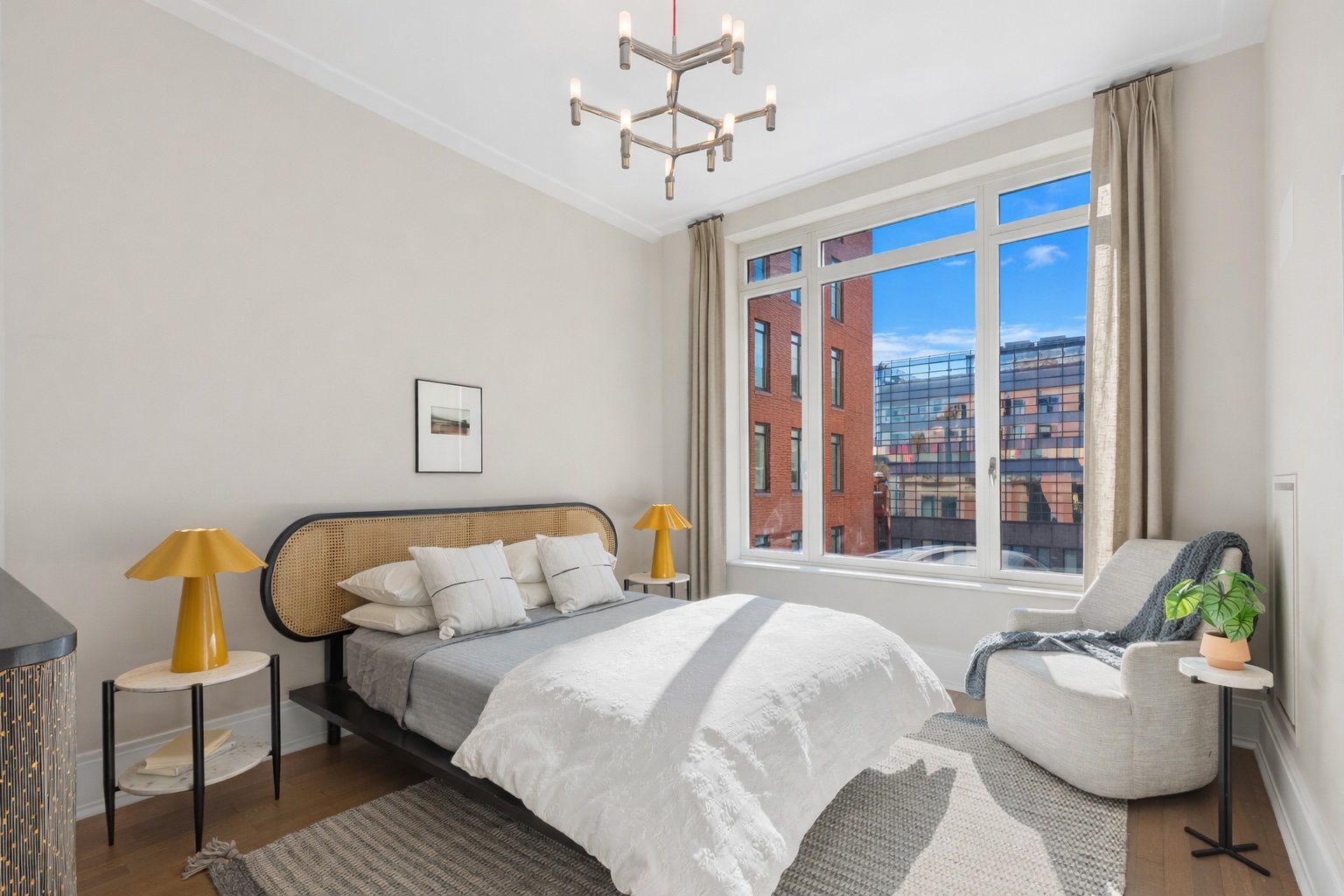
Throughout the residence, flooring was refinished to restore warmth and continuity – creating a consistent base that unified the entire home.

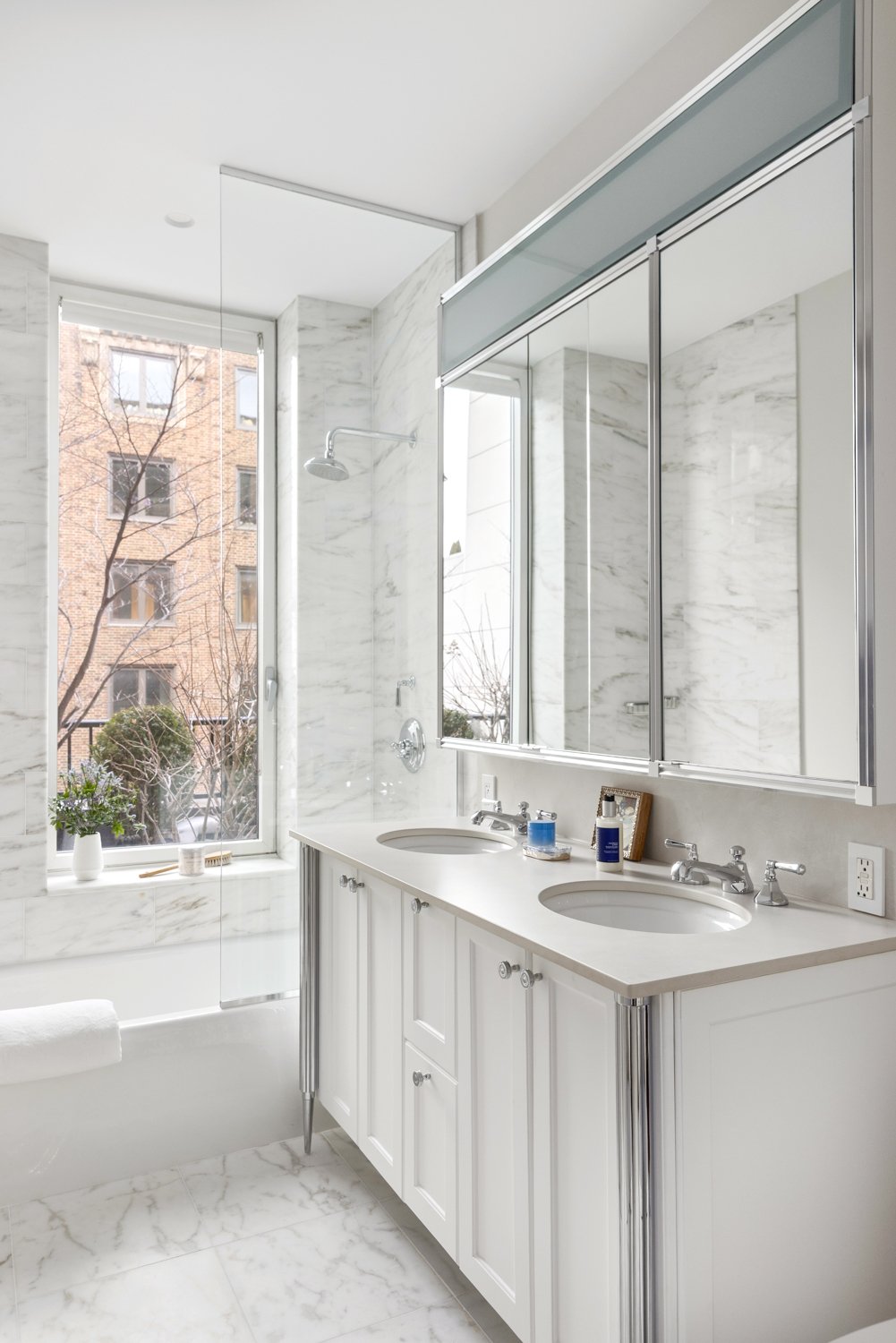
Bathrooms were reworked with a focus on cleaner lines and material clarity, removing visual clutter and emphasizing texture over ornament.


STAGING AS CONTINUATION

Staging was conceived not as a layer added after renovation, but as its natural extension. We approached it as a continuation of the architecture:

– Sculptural forms to echo the building’s classical rigor
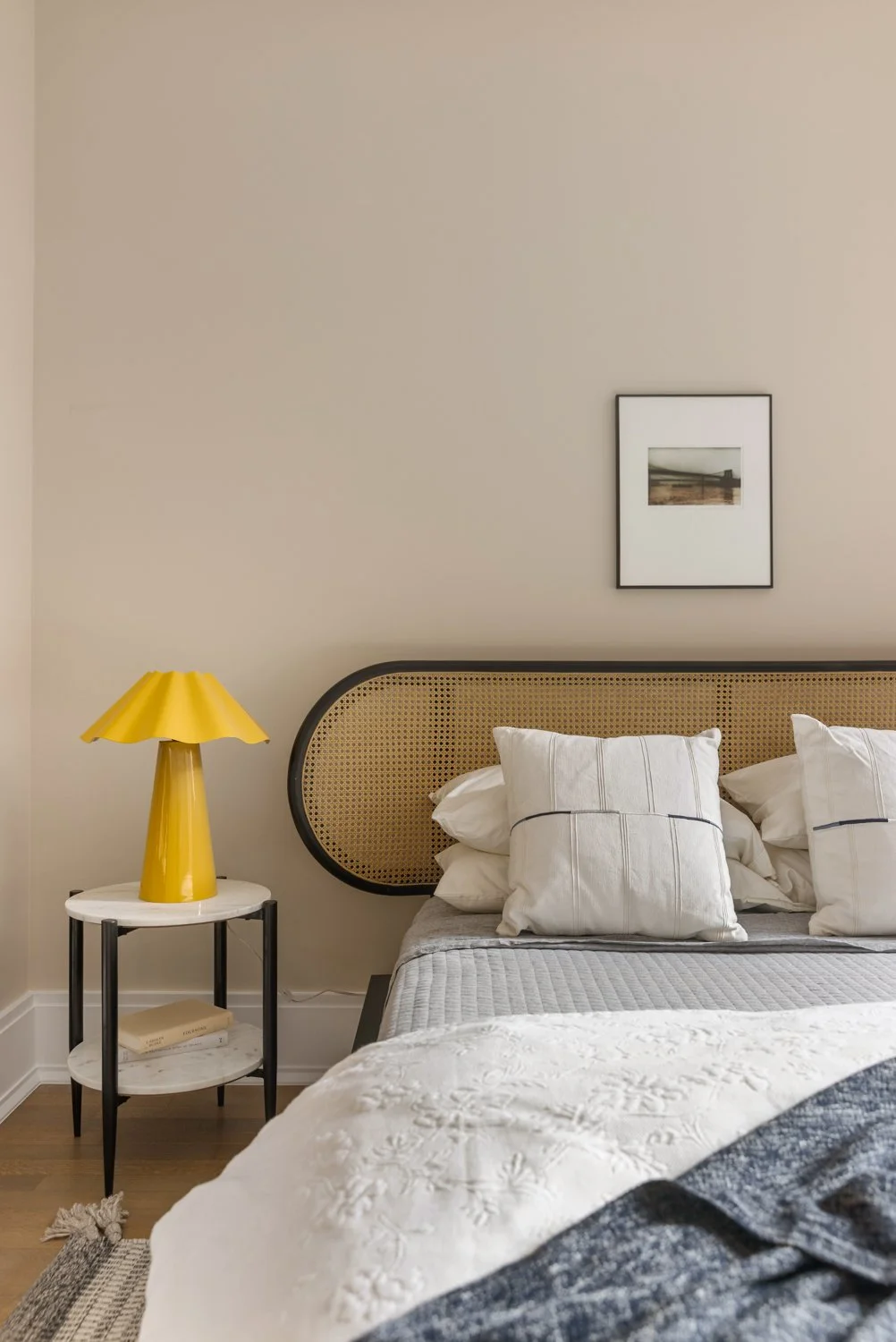
– Warm, tonal palettes to soften the envelope
– Layered textures to introduce depth without distraction

Every element was calibrated to support the space – never compete with it. The intent was to create an environment that felt both elevated and lived-in, where scale was legible but never overwhelming.  


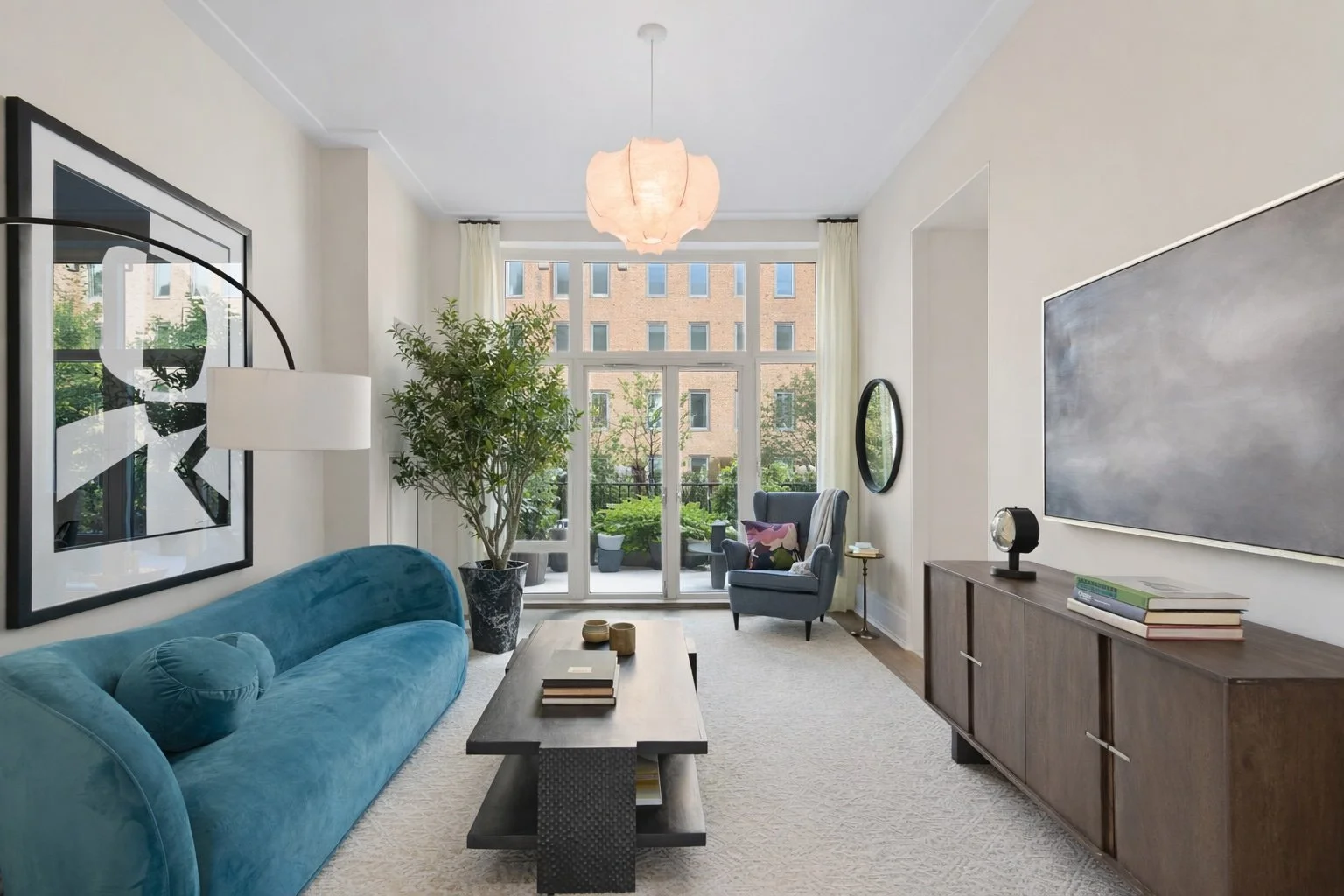
The final atmosphere is one of quiet confidence. Light moves freely across surfaces. Materials speak without excess. Rooms transition seamlessly, maintaining a consistent language while allowing for subtle variation.


The terrace – extending the full length of the residence – becomes an extension of this experience, reinforcing the relationship between interior calm and exterior openness.

 
Previous
Previous

Tribeca Waterfront Residence

Next
Next

The Monogram Penthouse